Featured
:max_bytes(150000):strip_icc()/debtrestructuring.asp_final-a64fcb2c01704710bc55061e4304ce7d.png)

The Genuine Price of Overlooking Financial Obligation: How Professional Counseling Solutions Are Altering Financial Healing
Table of Contents
- – The Growing Need for Financial Debt Mercy Solu...
- – Personal bankruptcy Therapy: The Misunderstood...
- – Contrasting Your Financial Obligation Alleviat...
- – What Sets Nonprofit Therapy Apart
- – Indication of Predacious Debt Alleviation Serv...
- – Taking the Initial Step Towards Recovery
- – The Course Forward
Economic stress and anxiety has actually come to be a specifying attribute of contemporary American life. With overall bank card debt exceeding $1.21 trillion and the typical cardholder owing more than $6,500, millions of individuals locate themselves caught in cycles of minimal settlements and intensifying rate of interest. When credit history card rate of interest rates float around 23%, also moderate equilibriums can balloon right into frustrating worries within months.
For those drowning in the red, the question isn't whether to seek aid-- it's discovering the best kind of assistance that won't make matters worse.
The Growing Need for Financial Debt Mercy Solutions
Debt forgiveness has become one of the most searched monetary topics on the internet, and completely factor. The idea of resolving debts for less than the complete amount owed deals authentic intend to individuals who see no sensible path to paying their balances completely.
The procedure commonly functions like this: when credit card accounts go unsettled for 120 days or more, creditors usually bill off the financial debt. At this stage, they may accept lowered settlements to recoup at the very least a part of what's owed. Effective arrangements can reduce balances by 30% to 50%, relying on the financial institution and your shown economic challenge.
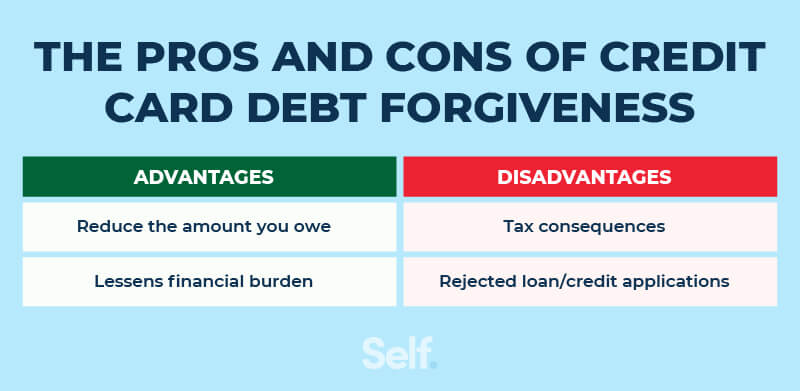
Nonetheless, financial obligation forgiveness isn't complimentary money. Cleared up accounts appear on debt reports as "" paid less than complete balance,"" which affects your score. Additionally, forgiven amounts exceeding $600 may be reported to the IRS as gross income. Comprehending these trade-offs prior to pursuing negotiation is vital.
Personal bankruptcy Therapy: The Misunderstood Safety Web
Bankruptcy lugs substantial preconception, yet it stays a reputable legal device made to give overwhelmed individuals a genuine fresh start. What many individuals don't understand is that government legislation requires two therapy sessions before and after filing-- and these sessions exist specifically to ensure you're making a notified choice.
Pre-bankruptcy credit report counseling includes a detailed testimonial of your earnings, debts, and costs. Qualified therapists present alternatives you could not have considered, consisting of financial obligation administration programs or difficulty arrangements. This isn't about dissuading personal bankruptcy; it has to do with validating it's genuinely your ideal choice.
Post-bankruptcy debtor education and learning prepares you for monetary success after discharge. You'll discover budgeting techniques, conserving techniques, and credit history rebuilding approaches made to protect against future financial troubles.
Organisations like APFSC deal both required courses, with fees around $19.99 per session unless you get approved for difficulty waivers. Their certified counselors offer same-day certificates, and sessions commonly run 60 to 90 minutes. This accessibility matters when you're currently emphasized about finances.
Contrasting Your Financial Obligation Alleviation Options
Comprehending the landscape of debt relief assists you make notified choices. Each technique carries distinctive advantages and disadvantages.
Financial Obligation Administration Programs settle multiple unsecured financial debts into single regular monthly repayments. Counselors discuss with lenders to possibly reduce rates of interest without requiring new lendings. A lot of clients full these programs within 3 to five years. The key advantage is paying debts completely while minimizing total passion paid.
Debt Negotiation negotiates reduced payoff quantities, usually 30% to 50% less than owed. This strategy calls for quiting settlements to financial institutions while building up settlement funds, which harms credit history during the procedure. Outcomes vary based upon financial institution willingness and your shown difficulty.
Bankruptcy offers court security while getting rid of or reorganizing financial debts. Chapter 7 liquidates particular assets to release unprotected financial debts quickly. Phase 13 develops three-to-five-year repayment plans for those with regular income. Bankruptcy continues to be on debt records for 7 to 10 years but offers the most detailed clean slate.
Credit Counseling gives education and learning and guidance without always registering in official programs. Certified counselors examine your full monetary picture and advise appropriate following steps, which could include any one of the above choices.

What Sets Nonprofit Therapy Apart
The distinction between nonprofit and for-profit financial debt alleviation firms matters enormously. Nonprofit companies like those certified by the National Structure for Debt Counseling (NFCC) run under rigorous ethical standards and fee regulations. Their counselors undergo strenuous qualification and should recertify every 2 years.
For-profit financial debt settlement companies, alternatively, might bill fees ranging from 15% to 25% of enlisted debt balances. Some utilize aggressive sales techniques and make impractical promises concerning outcomes. The Consumer Financial Security Bureau has actually recorded many complaints regarding aggressive methods in this field.
APFSC operates as a nonprofit therapy company, providing cost-free financial obligation monitoring consultations and managed charges for ongoing services. Their HUD-approved real estate counselors add value for those facing repossession along with general debt issues. Services are readily available in English, Spanish, and Portuguese, expanding accessibility to underserved neighborhoods.
Study sustains the performance of nonprofit therapy. A research appointed by the NFCC discovered that credit report counseling customers lowered rotating financial obligation by $3,600 even more than comparison groups during the 18 months following their sessions. Virtually 70% of participants reported better finance and greater financial confidence.
Indication of Predacious Debt Alleviation Services
Not all financial debt relief companies have your benefits at heart. Acknowledging red flags shields you from making a hard situation even worse.
Be mindful of companies that ensure particular results. No genuine service can promise precise negotiation percentages or timeline warranties because outcomes depend on private financial institutions and circumstances.
Stay clear of any type of business requiring big upfront charges prior to giving solutions. Genuine nonprofit therapy provides totally free initial examinations, and for-profit settlement companies are legitimately banned from collecting fees until they efficiently settle at the very least one debt.
Concern any individual suggesting you to quit connecting with lenders totally without explaining the repercussions. While strategic communication pauses sometimes support negotiations, full avoidance can lead to suits, wage garnishment, and added damages.
Reputable companies explain all options honestly, including options that may not entail their paid services. If a business pushes just one service despite your circumstance, look for support elsewhere.
Taking the Initial Step Towards Recovery
Financial recovery begins with sincere evaluation. Collect your newest declarations for all debts, compute your complete commitments, and examine your reasonable regular monthly settlement ability. This details develops the structure for any type of effective therapy session.
Take into consideration scheduling totally free appointments with multiple not-for-profit firms before committing to any program. Compare their referrals, fee structures, and communication designs. The right counseling partnership must really feel supportive rather than pushing.
Organisations like APFSC provide on-line conversation, phone consultations, and detailed intake procedures made to comprehend your unique scenario before recommending remedies. Their debt monitoring calculator assists you think of possible timelines and savings before enrolling.
The Course Forward
Overwhelming financial obligation doesn't define your future-- however ignoring it will. Whether financial obligation mercy, bankruptcy counseling, or organized financial obligation management makes feeling for your circumstance relies on variables distinct to your situations.
Expert assistance from accredited nonprofit therapists illuminates options you could never ever find independently. These solutions exist especially to aid individuals like you browse intricate economic difficulties without aggressive fees or unrealistic guarantees.
The average American having a hard time with debt waits far too lengthy prior to seeking assistance, permitting rate of interest to substance and choices to slim. On a monthly basis of delay costs money and expands your recuperation timeline.
How Credit Counseling Helps You Prepare for Possible Income Drops or LayoffsYour very first conversation with a qualified therapist expenses absolutely nothing yet could transform everything. Financial flexibility isn't scheduled for the fortunate-- it's available to any individual happy to take that initial step towards understanding their options and devoting to a realistic plan.

Table of Contents
- – The Growing Need for Financial Debt Mercy Solu...
- – Personal bankruptcy Therapy: The Misunderstood...
- – Contrasting Your Financial Obligation Alleviat...
- – What Sets Nonprofit Therapy Apart
- – Indication of Predacious Debt Alleviation Serv...
- – Taking the Initial Step Towards Recovery
- – The Course Forward
Latest Posts

Everything about Your Introduction to How Debt Counseling Helps You Tackle Debt Effectively : APFSC with a Counselor

Developing a Personalized Path to Stability for Beginners
3 Simple Techniques For Warning Signs When Researching Debt Relief Help
More
Latest Posts
Everything about Your Introduction to How Debt Counseling Helps You Tackle Debt Effectively : APFSC with a Counselor
Developing a Personalized Path to Stability for Beginners
3 Simple Techniques For Warning Signs When Researching Debt Relief Help